ADHD and the Paradox of “Easy”
In recent years, I’ve started watching out for little things I expect myself to be able to do (because they’ve been normalized as “easy” or “common sense”) but actually struggle with (despite being a relatively smart, caring and capable person.) I can easily do so many things that others around me find hard or unimaginable (“You MADE that?! I can’t believe it! I could never!) while I can struggle with things most folks don’t even blink an eye at. As with many folks with ADHD, the distinction between what’s ‘easy’ and what’s not looks very different inside my brain.
I occasionally have clients who don’t understand why we start coaching with an exploration of their strengths, and question whether that is of any value. And as we discuss, we uncover remarkable strengths that they have overlooked, diminished, or just never considered their value, when actually they’re quite powerful, unique and useful for our work. When getting to know your own ADHD, pinpointing both your struggle challenges and your ‘right kind of difficult’ challenges is a worthy endeavor. You may have extremely valuable talents, skills and abilities lurking under the surface waiting to be acknowledged and understood.
But undervaluing one’s strengths at first is understandable. We live in a world that defaults to the wiring and workings of people with non-neurodivergent brains. So naturally, tasks and approaches that are considered “easy” or that are “common sense” to people who aren’t neurodivergent get normalized and taken for granted. And because folks with ADHD often struggle with these ‘easy’ things, we have been subject to a whole lot of shame, some of it lifelong. This paradox is troubling when our challenges lead us to being judged as careless or inconsiderate, and when it has financial or resource ramifications (known colloquially as the “ADHD Tax”). Social media is full of examples of easy things that are hard with ADHD, such as knowing you’ve already bought that bottle of hoisin sauce, getting places on time without losing a day to waiting mode, and even plain old sleeping, to name a few.
I first learned about the paradox of ADHD from Dr. Ned Hallowell, as he described it so well in his book Delivered from Distraction: Getting the Most out of Life with Attention Deficit Disorder: “Having ADD makes life paradoxical. You can superfocus sometimes, but also space out when you least mean to. You can radiate confidence and also feel as insecure as a cat in a kennel. You can perform at the highest level, feeling incompetent as you do so. You can be loved by many, but feel as if no one really likes you. You can absolutely, totally, intend to do something, then forget to do it. You can have the greatest ideas in the world, but feel as if you can’t accomplish a thing.”
I realized my difficulty with certain ‘easy’ things isn’t by choice. I can’t choose to just stop having challenges with time, attention, or memory. It’s not a result of any action or inaction on my part. It’s not a moral failing, rebellion, lack of thoughtfulness, or intellectual inferiority. It’s just how my brain works. I have ADHD. I’ve started paying attention when I, and my clients, evaluate something as ‘easy’ or not. It now prompts an important follow-up question: “Easy for whom?”
And still, yes of course it’s frustrating when you can’t sense time or rely on your working memory, or regulate cognitive hyperactivity and you still need to function as a productive human adult in the world. The effects of ADHD are real, and at the same time it’s also not helping anybody to excuse them away.
For me (and so many clients I’ve worked with) a huge foundational piece to living with ADHD is learning how to live and move in the paradox of it. Knowing and owning up to your challenges (and your strengths!!) is a huge step, because understanding them makes it possible to come up with solutions that work (see tomorrow’s post: Acceptance is a Beautiful Thing).
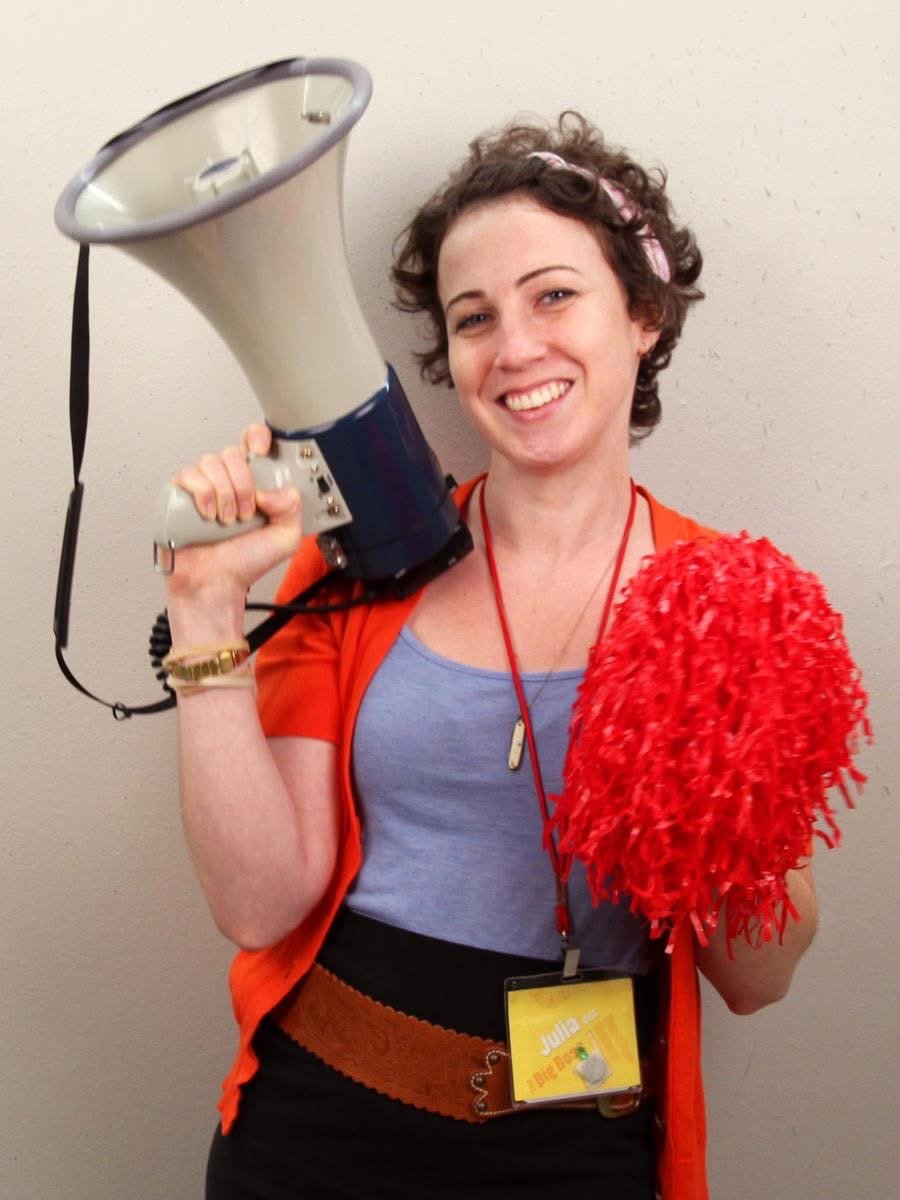
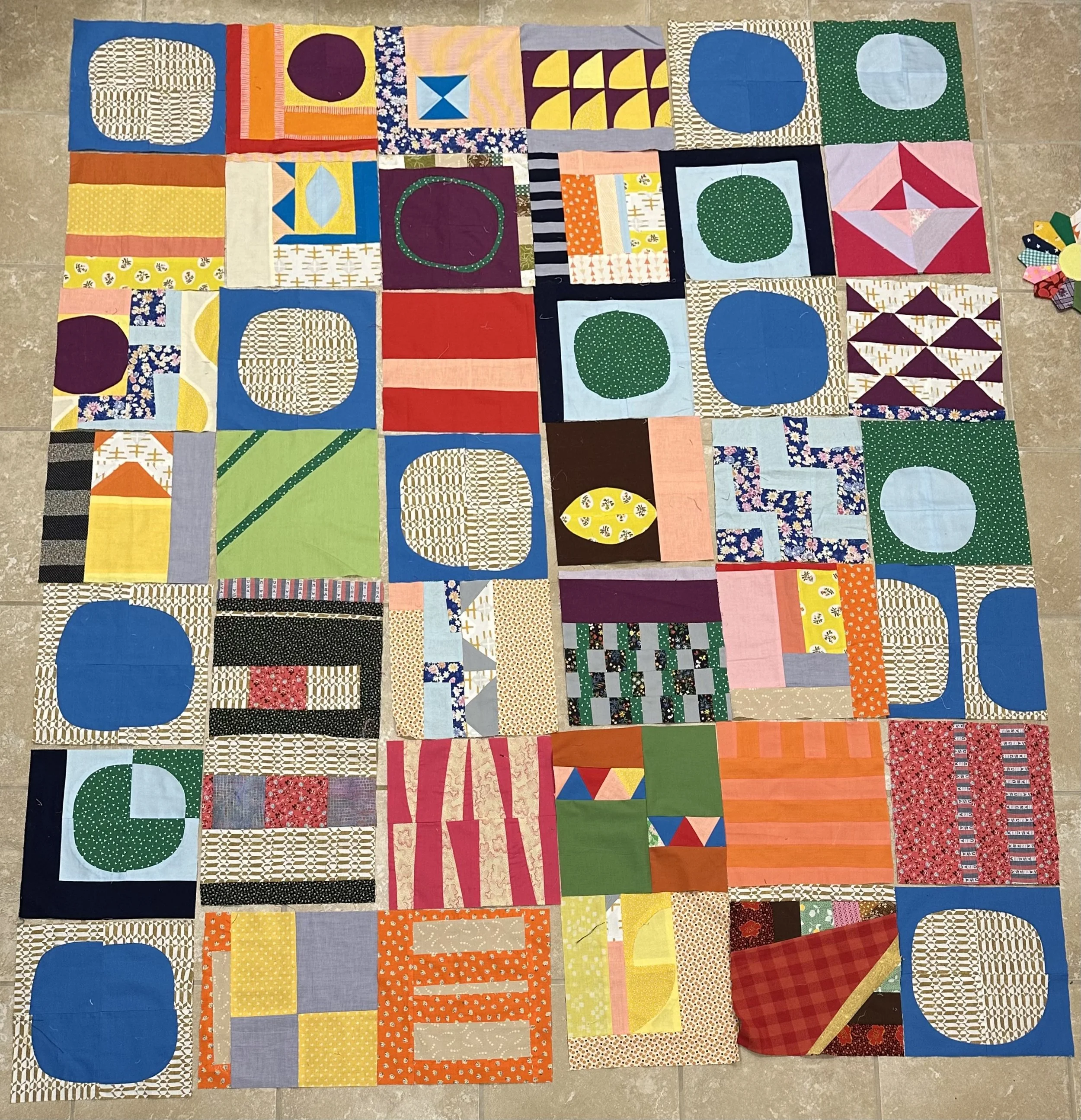
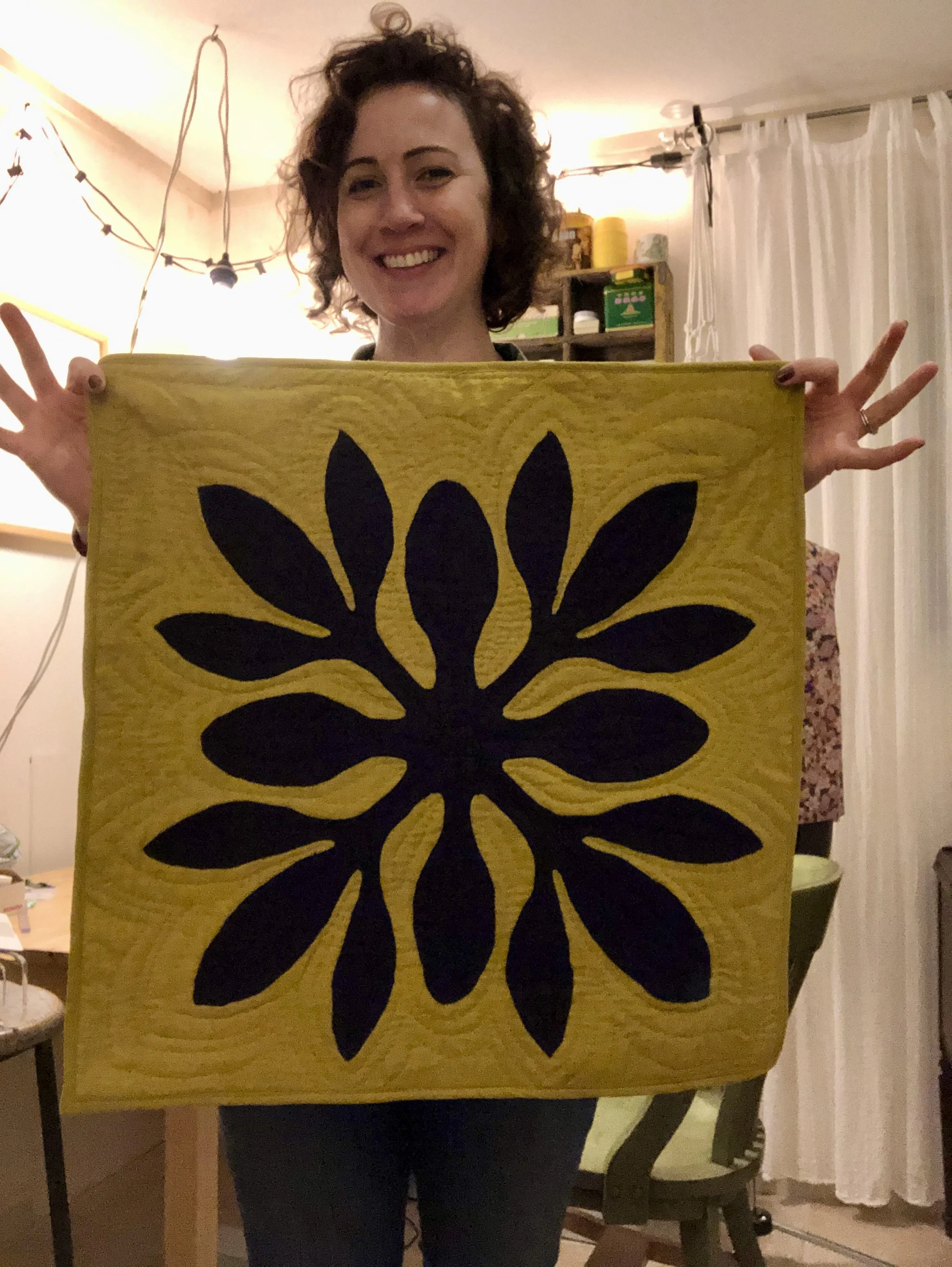
Here are photos representing some things that are easy for me that (I’m told) are actually considered hard things to do (such as making complicated garments, growing huge gardens, planning elaborate trips, leading by design, and helping people feel safe and appreciated).
Like many folks with ADHD, I had to learn to value my ‘right kind of difficult’ for myself and get used to seeing my talents and skills as the strengths they are.







Luckily, for many of us living the paradox of ADHD, we have a major strength sort of baked right into our brain wiring. Having powerful brains, we can actually be quite good at dialectical thinking: meaning, we have the cognitive ability to view a situation from multiple perspectives and hold two seemingly contradictory or opposing truths at the same time (once we give ourselves permission to use it!)
We can be aware of the approach that our non-neurodivergent society has insisted is the only acceptable way of doing things while also making room for our own ADHD-friendly methods and processes. We can regard the status quo while also handling the discomfort of jiggling it up a bit as we demonstrate methods that work for us, and actually, are better for everyone, yielding really excellent outcomes all around.
We can accept the truth of what we struggle with while maintaining compassion for ourselves (instead of letting shame rule the day).
We can know that the little ‘easy’ things absolutely drain our executive functioning capacity, while also accepting that we still have responsibilities to uphold, and we will find a way to make it work.
We can stand confidently without judgment or embarrassment knowing that we’re smart and capable and also that we mess up sometimes, and that we may need to approach certain tasks a little bit differently, while still being able to get them done just as well.
So regardless of what is easy or hard for you with ADHD, it’s good to be aware of it and appreciate it all for what it is. And then fire up your self-compassion and figure out what works for you. After all, as the old saying goes, what works for you, WORKS FOR YOU!
